Don’t Get Stuck in the Garden
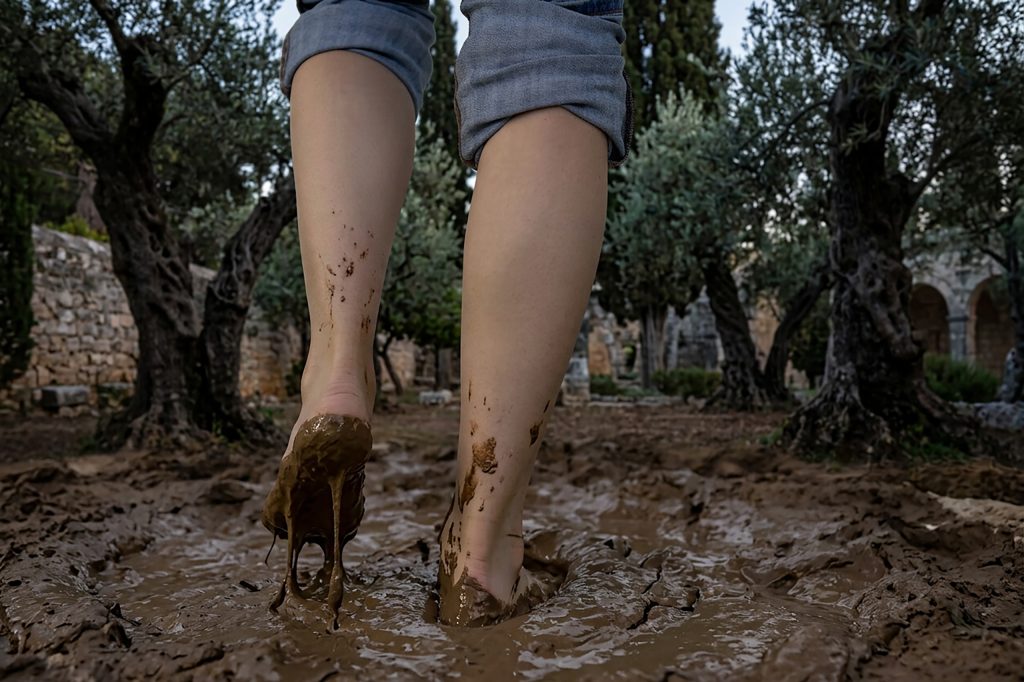
Have you been doing the work? Sitting with the pain, processing the story, holding space for the ache—but still feel stuck?
The garden I’m referring to in my title is the Garden of Gethsemane. Many of us have suffered deeply in our lives and spent time suffering and praying and pleading with God. I liken this state to a personal and metaphorical Garden of Gethsemane. This garden is a holy place. It’s the space where we meet ourselves in the rawest, most vulnerable way—where we fall to our knees, wrestle with God, and face the truth of what we cannot control. These spaces are sacred to the transformation of the soul, but they are not meant to be forever.
As sacred as the garden is, it’s not the end of the story. Jesus didn’t stay in Gethsemane. After pouring out His soul in anguish and surrender, He rose and said: “Get up. Let us go,” which shows us that even after deep grief or spiritual wrestling, there comes a time to move. We’re not meant to build altars to our pain or confusion. The garden teaches us, shapes us—but it doesn’t define us. It’s part of the path, not a dwelling place.
There’s a point in healing where we can begin to mistake the process for the purpose. We become so identified with our struggle, our story, or our trauma that we forget we are allowed to be more than what hurt us. Sometimes we hold onto healing so tightly that it becomes a form of hiding. We tell ourselves we’re “still working on it” because it feels safer than stepping into the unknown. But real healing isn’t about staying stuck in analysis or self-protection—it’s being willing to move, even when we’re still hurting.
Neuroscience shows us why this happens. Our brains are wired for efficiency—so the more we dwell on painful memories or rehearse our pain story, the stronger those neural pathways become. Over time, sorrow becomes the default setting, not because we want to suffer, but because the brain has practiced that pathway so often it becomes familiar. This is called neuroplasticity. It works both ways—which means we can also begin to rewire those pathways by choosing new thoughts, new experiences, and new stories.
On top of that, trauma can keep our nervous systems stuck in a state of hypervigilance. The amygdala, our brain’s alarm center, becomes hyperactive after long periods of emotional or physical stress. It constantly scans for threat, which can make even small changes feel dangerous. So even if part of us wants to move on, the body resists. It says: stay here, stay safe, stay small. But staying in the garden for too long isn’t really a form of safety—it’s a form of stagnation.
This can be tricky ground because it can sometimes feel like healing never ends, but there is a difference between being stuck, making the process your identity, and healing deeper and deeper levels of the same issue. And sometimes it takes counseling to identify the difference.
Allow me to illustrate.
Because my wounds were so deep and occurred consistently over such an extended period of time, and because I tried to start healing a full seven years before removing myself from the situation that was creating the pain, I felt like I was in healing mode for years. It seemed like maybe I was stuck, but in hindsight, I could see that there were markers that indicated forward movement. I got remarried, that introduced new challenges as I wrestled with old issues being triggered in my new relationship. This wasn’t me being stuck, it was me healing new and old stuff simultaneously so my new life could be better.
Another marker? I became less emotionally affected by painful things over time. I gained deeper understanding as I revisited issues that I thought I had healed, but that were begging for deeper resolution. Revisiting old wounds that long for deeper healing wasn’t me being stuck either. It was a witness that I felt safe enough to go deeper into healing them. There were other indicators of forward movement as well.
Movement is a psychological marker of real healing. When your story shifts from “this happened to me” to “this shaped me, but it no longer defines me,” you’re stepping into post-traumatic growth. The pain hasn’t been erased—but it’s no longer in the driver’s seat. And when that happens, your nervous system begins to recalibrate. The body remembers safety. The mind remembers possibility. You don’t have to be perfectly healed to move forward. You don’t have to have it all figured out. You just have to take steps, at the appropriate time, and if necessary, with the appropriate help.
Sometimes we confuse waiting for peace with waiting for permission. You are always allowed to rise. You are allowed to live a beautiful life, even with a scarred heart. You don’t need permission to move forward when you are ready, you can just do it.
How do you know when it’s time to move on from the garden? Most people intuitively know. They feel like their floundering with no direction, or they feel restless, or intolerant of the same results. However the invitation shows up for you, remember that it’s only an invitation, you have to choose to rise and walk and make different choices.
An important note: Leaving the garden doesn’t mean pretending the pain never happened. It means bringing what you’ve learned into your next chapter, integrating it. It might look like reentering community, saying yes to a new project, forgiving someone, or opening your heart again. You might still be shaky, you might still cry, but you’re walking forward. That’s what courage looks like. It’s not about what the movement looks like, only that you are moving.
It can be scary to move into new territory, especially when you still feel broken. It was in my brokenness that I competed in a beauty pageant, a terrifying experience for someone who felt like the ugliest woman on the planet. But it was a powerful healing move for me. It helped me move out of the garden and into divorce and a new life that allowed for growth for both me and my Ex.
After Jesus rose from prayer in the garden, He didn’t walk straight into new life. He walked toward the cross. The garden was the place of surrender—but the cross was the place of death. And that, too, is a metaphor worth sitting with. Because in our own lives, once we rise from the garden, we often face something that has to die. A false identity, a relationship, a pattern, a belief about ourselves or God, etc. Sometimes it’s comfort, maybe it’s control. No matter what it is, before resurrection comes death. Before new life, something has to be let go of. The question becomes: What work do I need to finish in my own garden of Gethsemane? What fear, story, or self-protective substitution needs to be laid down so that I can truly rise into something new?
The garden, the cross, and the resurrection are all part of the same sacred journey—a journey of surrender, death, and new life. We don’t have to rush through it. There is no timeline, we just need to show up and trust that what feels like an ending is actually a doorway to a beautiful new beginning.
For monthly embodiment exercises, as well as journal and creative prompts, please sign up for my newsletter.
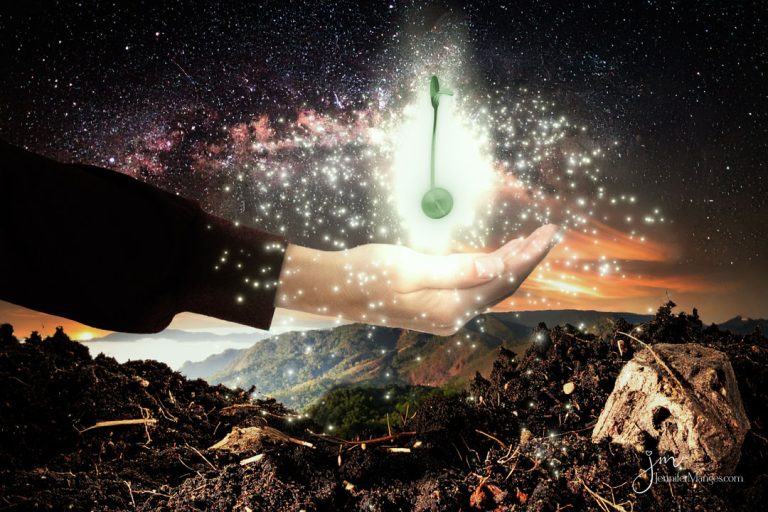
Disclosure: The image accompanying this article was partially created by AI.
Disclaimer: The content of this website is intended for personal reflection and informational purposes only. It is not a substitute for qualified professional medical, psychological, or spiritual advice. By engaging with the content in this podcast, through any source—in person or online—you are agreeing to the terms and conditions in our liability and release waivers. The links are posted in the show notes and on our website. All views expressed — including interpretations of scripture or spiritual practice — reflect the host’s personal experience and are not affiliated with any specific church or institution. Please take what resonates with your journey, and leave the rest with care.




Join the List
Stay up to date & receive the latest posts in your inbox.